
 By
By 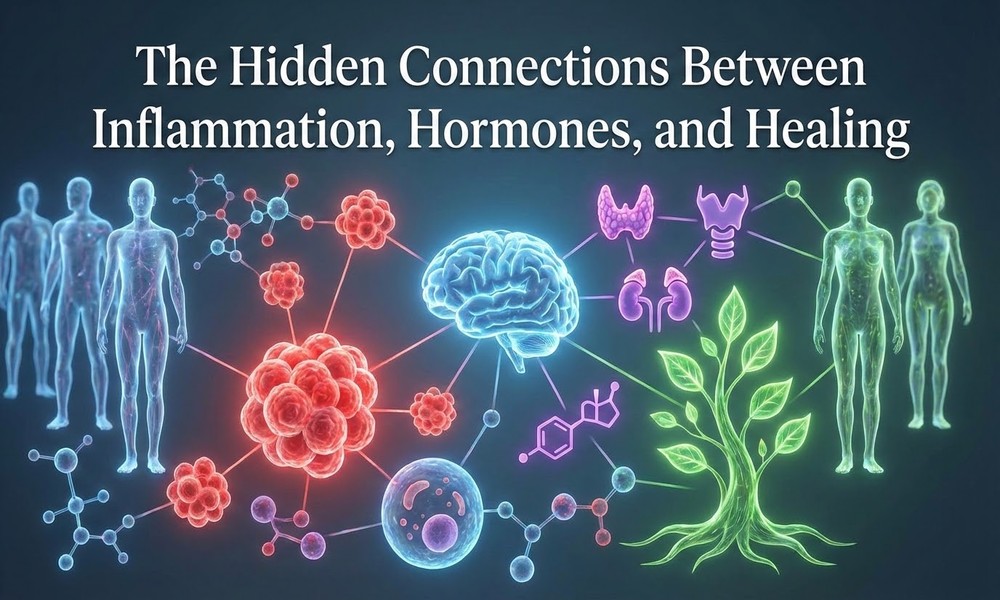
The human body is a network of interconnected systems that constantly communicate with one another. Hormones send chemical signals that guide processes such as metabolism, growth, reproduction, and mood. At the same time, the immune system monitors the body for potential threats and responds through inflammation, a natural protective process designed to fight infection and repair tissue damage.
Problems can arise when inflammation becomes chronic or when hormone levels fall out of balance. Instead of supporting healing, persistent inflammation can disrupt hormonal signals, weaken immune function, and interfere with the body’s ability to repair itself. Over time, these disruptions may affect multiple organs and biological systems, contributing to symptoms that range from fatigue and metabolic changes to reproductive health concerns and chronic illness.
Understanding the relationship between inflammation and hormones has become an increasingly important part of modern medicine. Researchers and clinicians now recognize that many health conditions cannot be addressed in isolation. Instead, they often require a broader view of how immune responses, endocrine signaling, and tissue repair mechanisms interact. This perspective has led to more coordinated approaches that focus on identifying root causes and supporting the body’s natural healing processes.
The Body’s Inflammatory Response: Helpful but Potentially Harmful
Inflammation is the immune system’s immediate reaction to injury, infection, or other perceived threats. When functioning properly, it helps protect the body by increasing blood flow to affected areas and recruiting immune cells to eliminate harmful invaders. Acute inflammation typically resolves once healing is complete.
However, inflammation can become problematic when it lingers beyond its intended purpose. Chronic inflammation may develop due to environmental triggers, autoimmune activity, long-term stress, or unresolved infections. Instead of aiding recovery, this persistent immune response can begin to damage tissues and disrupt normal biological functions.
One area where chronic inflammation frequently appears is within the respiratory system. Allergic reactions, asthma, and environmental sensitivities can trigger ongoing inflammatory responses that affect breathing and lung health. Specialists such as allergists and immunologists, including clinicians at West Hills Allergy & Asthma Associates, often evaluate how immune activity and inflammatory patterns contribute to respiratory symptoms. By identifying triggers and addressing immune system imbalances, medical professionals can help patients better understand the root causes behind recurring inflammatory conditions.
How Hormones Regulate Inflammation Throughout the Body
Hormones are chemical messengers produced by glands such as the thyroid, adrenal glands, and reproductive organs. These signals regulate many biological functions, including metabolism, stress response, sleep cycles, and immune activity.
What many people do not realize is that hormones and inflammation influence one another constantly. Certain hormones help control immune responses, ensuring that inflammation occurs only when needed and subsides afterward. Cortisol, for example, plays a key role in regulating inflammatory processes during stress or illness.
When hormone levels shift too far in either direction, that balance can be disrupted. Low or irregular hormone levels may allow inflammatory signals to remain active longer than they should. Over time, this imbalance can contribute to fatigue, metabolic challenges, and difficulty recovering from illness or injury.
Hormonal fluctuations are particularly relevant during life transitions such as puberty, pregnancy, and menopause. Medical professionals who specialize in reproductive and hormonal health, including the team of OB/GYN experts at Newton-Wellesley Obstetrics & Gynecology, often evaluate how endocrine changes influence overall well-being. Addressing hormonal imbalances can sometimes reduce inflammatory symptoms and improve broader health outcomes.
The Immune System and Hormonal Communication
The immune system and endocrine system operate through constant biochemical communication. Immune cells release signaling molecules called cytokines, which influence inflammation and guide immune responses. Hormones, in turn, affect how these immune signals behave throughout the body.
When this communication is functioning properly, the body maintains a delicate balance. Inflammation appears when needed and resolves when healing is complete. Hormones regulate immune cell activity, preventing overreaction while still allowing effective defense against pathogens.
But when communication between these systems breaks down, the effects can be widespread. Hormonal imbalances may intensify inflammatory responses, while chronic inflammation can interfere with hormone production. This cycle can contribute to symptoms that seem unrelated at first, such as fatigue, joint pain, irregular menstrual cycles, or changes in metabolism.
Researchers continue to explore how these overlapping systems shape long-term health. Understanding these interactions has become increasingly important for clinicians who aim to treat complex conditions that involve multiple biological pathways.
Reproductive Health and Systemic Inflammation
Hormonal health is closely tied to reproductive function, but it also affects much more than fertility alone. Estrogen, progesterone, and other reproductive hormones influence bone density, cardiovascular health, mood regulation, and immune activity.
Chronic inflammation can disrupt these hormonal signals, potentially contributing to menstrual irregularities, fertility challenges, and conditions such as polycystic ovary syndrome (PCOS) or endometriosis. In some cases, inflammation within reproductive tissues may further influence hormone levels, creating a cycle that affects both systems.
Because reproductive hormones interact with many aspects of physical health, evaluating inflammatory markers alongside hormonal testing can provide valuable insights. Physicians who focus on women’s health frequently assess how systemic factors influence reproductive well-being, allowing them to identify underlying patterns that may contribute to persistent symptoms.
This broader approach reflects a growing understanding that reproductive health is deeply connected to immune function, metabolic processes, and overall physiological balance.
Metabolism, Energy, and Hormone Balance
Metabolism depends on coordinated signals from multiple hormones, including thyroid hormones, insulin, cortisol, and reproductive hormones. Together, these signals regulate how the body uses energy, processes nutrients, and stores fat.
Inflammation can interfere with these processes in subtle but significant ways. Chronic inflammatory signals may affect insulin sensitivity, disrupt thyroid hormone activity, or alter cortisol regulation. As a result, individuals may experience weight fluctuations, fatigue, or difficulty maintaining consistent energy levels.
Addressing metabolic concerns often requires evaluating both hormonal and inflammatory factors. Some wellness-focused clinics explore this intersection through comprehensive assessments of hormone levels, metabolic markers, and lifestyle influences. For example, programs offered through Lions OpTimal Health often emphasize hormone replacement therapy and metabolic health support as part of a broader strategy to restore physiological balance.
By examining how hormonal and metabolic pathways interact, clinicians can help patients better understand the underlying factors that influence long-term energy and metabolic health.
Tissue Repair and the Role of Regenerative Medicine
Healing after injury or illness depends on a coordinated process involving inflammation, tissue repair, and cellular regeneration. Initially, inflammation helps remove damaged cells and initiate the healing process. Once the initial response subsides, the body begins rebuilding tissue.
When inflammation persists too long, however, it can slow or complicate recovery. Chronic inflammatory signals may interfere with tissue repair mechanisms, leading to prolonged healing times or ongoing discomfort.
Regenerative medicine has emerged as an area of growing interest in addressing these challenges. This field focuses on therapies that support the body’s natural repair processes, encouraging cellular regeneration and tissue recovery. Some clinics, including Forever Young (FYGulfCoast.com), incorporate regenerative medicine alongside hormone therapy and wellness treatments to support overall healing and recovery.
While research in this field continues to evolve, the concept highlights an important principle: supporting the body’s natural repair systems often requires addressing both inflammation and hormonal balance simultaneously.
The Value of Integrated Medical Perspectives
Health concerns rarely exist in isolation. Inflammation, hormone balance, immune function, and metabolic health often influence one another in complex ways. Symptoms that appear unrelated on the surface may share underlying biological connections.
Because of this complexity, many healthcare professionals emphasize collaborative approaches that consider multiple systems at once. Allergy specialists, endocrinologists, reproductive health experts, and regenerative medicine providers may each contribute different insights into how inflammation and hormones affect patient health.
An integrated perspective can help identify patterns that might otherwise remain hidden. By examining immune activity, hormonal signals, metabolic markers, and lifestyle factors together, clinicians can develop a more complete understanding of how different systems interact within the body.
For patients, this approach often leads to more personalized care strategies designed to address underlying imbalances rather than focusing solely on isolated symptoms.
Lifestyle Factors That Influence Inflammation and Hormones
Daily habits can have a powerful influence on both inflammatory activity and hormone regulation. Diet, physical activity, sleep quality, and stress management all play roles in maintaining balance within the body’s systems.
For example, nutrient-dense foods that contain antioxidants and healthy fats can help support immune regulation and reduce inflammatory stress. Regular physical activity helps regulate hormone levels while also improving metabolic health and circulation.
Sleep is another key factor. During deep sleep cycles, the body performs essential repair processes that influence hormone production, immune function, and tissue recovery. Chronic sleep deprivation can disrupt these processes and contribute to both hormonal imbalances and increased inflammation.
Stress management also plays an important role. Prolonged stress elevates cortisol levels, which can initially suppress inflammation but may eventually lead to immune dysfunction and hormonal disruption if sustained for long periods.
When lifestyle habits align with the body’s natural rhythms, they can support the delicate balance between inflammation and hormonal signaling that is necessary for long-term health.
Conclusion
Inflammation and hormones are two of the body’s most powerful regulatory systems. Each serves essential roles in maintaining health, protecting against illness, and supporting recovery from injury. Yet when these systems fall out of balance, their interactions can contribute to a wide range of physical symptoms and chronic health challenges.
Modern medical research continues to uncover how deeply interconnected these processes truly are. Hormonal changes can influence immune responses, while inflammatory activity can disrupt endocrine signaling. These interactions shape everything from metabolism and reproductive health to tissue repair and immune resilience.
By viewing health through the lens of interconnected systems, both patients and healthcare providers gain a more complete understanding of how the body works. This broader perspective supports more informed decisions about prevention, treatment, and long-term wellness, ultimately helping individuals move toward greater balance and improved overall well-being.






Comments