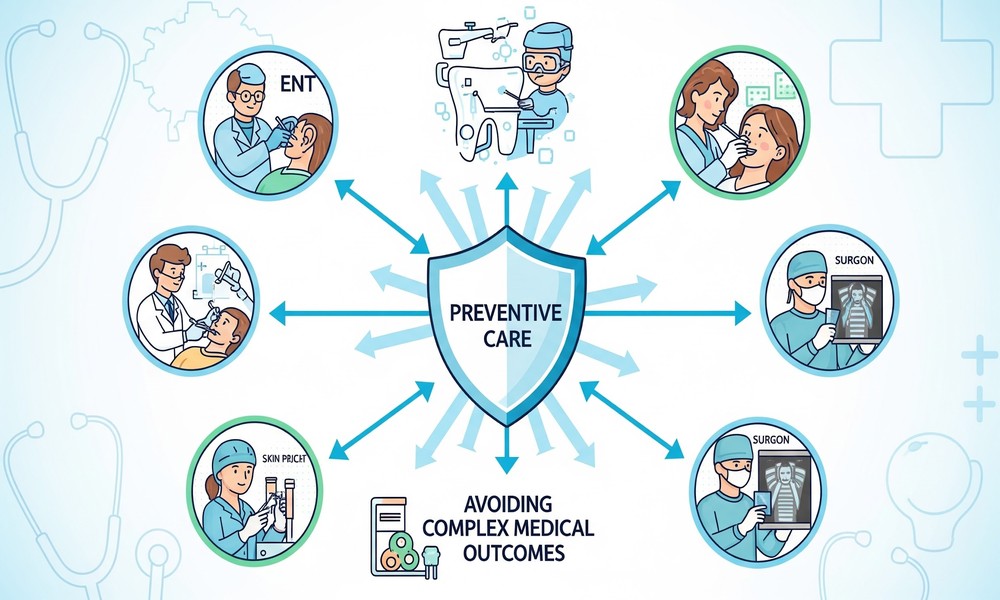

Preventive care is often misunderstood as something limited to annual checkups or routine screenings. In reality, it represents a proactive approach to health that can reduce the risk of complex medical conditions, prevent disease progression, and improve long-term quality of life. When addressed early, many health concerns can be managed before they evolve into chronic or multi-system complications.
Across medical specialties, early intervention plays a critical role in identifying subtle warning signs that may otherwise go unnoticed. From immune responses and oral health changes to gradual hearing decline, preventive strategies help protect not just individual body systems, but overall physical, cognitive, and emotional well-being.
Understanding Prevention Beyond Routine Visits
Preventive care extends beyond basic wellness visits. It includes monitoring changes over time, recognizing patterns, and responding to early symptoms before they escalate. Many complex medical outcomes develop slowly, often beginning with mild discomfort or intermittent symptoms that are easy to dismiss.
By focusing on early detection and risk reduction, preventive care allows healthcare providers to intervene at a stage when treatments are typically less invasive, more effective, and easier to manage. This approach also reduces the likelihood of secondary complications that can arise when conditions remain untreated.
In a preventive model, patients play an active role in their health by understanding risk factors and engaging in regular evaluations tailored to their individual needs.
The Immune System as an Early Warning Network
The immune system is often the first line of defense against environmental triggers, allergens, and infections. When immune responses become dysregulated, symptoms may appear as chronic congestion, respiratory irritation, skin reactions, or unexplained inflammation. These signs are not always isolated issues; they can signal broader immune imbalance.
Preventive immune care involves identifying sensitivities early and managing exposures before chronic inflammation develops. Persistent immune stress can contribute to fatigue, sleep disturbances, and reduced resistance to illness over time.
An immunologist, such as those at West Hills Allergy & Asthma Associates, may help patients understand immune-related triggers through allergy testing and targeted evaluation, allowing for early intervention that reduces long-term respiratory and systemic complications.
How Allergic and Inflammatory Conditions Progress Without Care
When allergic or inflammatory conditions are left unmanaged, they can progress beyond their original presentation. Chronic nasal inflammation, for example, may increase susceptibility to sinus infections or contribute to sleep-disordered breathing. Ongoing inflammation can also place stress on other systems in the body.
Preventive strategies focus on controlling inflammation early, reducing flare-ups, and minimizing cumulative immune burden. This can help prevent escalation into more complex respiratory or systemic conditions that require intensive treatment.
By addressing immune health proactively, patients often experience improved energy levels, better sleep quality, and enhanced resilience against infections.
Oral Health as a Predictor of Systemic Risk
Oral health is a powerful yet frequently overlooked indicator of overall wellness. Changes in gum tissue, jaw structure, or oral discomfort may reflect underlying infection, inflammation, or structural issues. Left untreated, oral conditions can contribute to systemic inflammation and complicate other medical conditions.
Preventive dental care emphasizes early detection of abnormalities before they require extensive intervention. Routine oral evaluations can reveal issues related to bite alignment, bone density, and soft tissue health that may not yet cause pain but could lead to more serious outcomes.
A practice such as Pine Desert Dental, which provides oral surgery services, may become involved when structural or surgical intervention is necessary-often after preventive assessments identify risks early enough to limit complications.
Preventing Escalation Through Early Dental Intervention
Minor dental concerns can evolve into complex medical issues when ignored. Infections originating in the mouth may spread, while untreated structural problems can affect nutrition, speech, and overall quality of life. Preventive dental care aims to address concerns before they require emergency or advanced surgical procedures.
Early intervention not only protects oral health but also supports systemic balance. Research increasingly highlights connections between oral inflammation and cardiovascular health, immune function, and metabolic regulation.
Preventive dental strategies reinforce the importance of viewing oral care as an integral part of whole-body health rather than an isolated specialty.
Hearing Health and Cognitive Protection
Hearing loss often develops gradually, making it easy to overlook in its early stages. Subtle changes in hearing clarity can affect communication, concentration, and social engagement long before they are recognized as a medical concern. Preventive hearing care focuses on identifying these changes early.
Untreated hearing loss has been linked to increased cognitive strain, social isolation, and reduced quality of life. Preventive evaluations allow individuals to address hearing decline before it significantly impacts daily functioning.
Audiology-focused providers such as Infinity Hearing, which offers the best hearing aids and comprehensive audiology services, may support preventive hearing care by identifying early changes and recommending appropriate interventions tailored to individual lifestyles.
The Role of Early Hearing Intervention in Long-Term Outcomes
Early hearing support can reduce cognitive load and help preserve communication skills. When individuals struggle to hear, the brain must work harder to interpret sound, which can lead to fatigue and frustration over time. Preventive intervention helps mitigate these effects.
Hearing evaluations also provide valuable baseline data, making it easier to detect changes over time. This proactive approach supports not only auditory health but also emotional well-being and social connection.
Preventive hearing care underscores how addressing sensory health early can prevent cascading effects on mental and cognitive health.
Integrating Preventive Care Across Specialties
One of the most effective aspects of preventive medicine is collaboration across specialties. Immune health, oral health, and hearing function do not exist in isolation. Inflammation, infection, and sensory decline can influence one another in complex ways.
Integrated preventive care encourages communication among providers, helping ensure that early warning signs in one system prompt appropriate evaluation in another. This reduces the likelihood of fragmented care and missed diagnoses.
Patients benefit most when preventive strategies are coordinated, allowing healthcare teams to address risks comprehensively rather than reactively.
Patient Engagement and Long-Term Prevention
Preventive care is most effective when patients are informed and engaged. Understanding the importance of early evaluation empowers individuals to seek care before symptoms become disruptive. Education plays a key role in shifting healthcare from crisis management to long-term wellness planning.
Lifestyle choices, environmental exposures, and routine monitoring all influence preventive outcomes. When patients actively participate in preventive strategies, they are more likely to maintain consistent care and follow through with recommendations.
Over time, this approach fosters resilience and reduces the burden of complex medical conditions.
Conclusion: Prevention as a Foundation for Better Health
Preventive care serves as the foundation for avoiding complex medical outcomes. By identifying risks early and intervening thoughtfully, healthcare providers can reduce disease progression, limit complications, and improve overall quality of life. Whether addressing immune balance, oral health, or sensory function, early action protects not only individual systems but the body as a whole.
A preventive mindset shifts healthcare from reactive treatment to proactive partnership-supporting long-term wellness, functional independence, and sustained well-being across every stage of life.